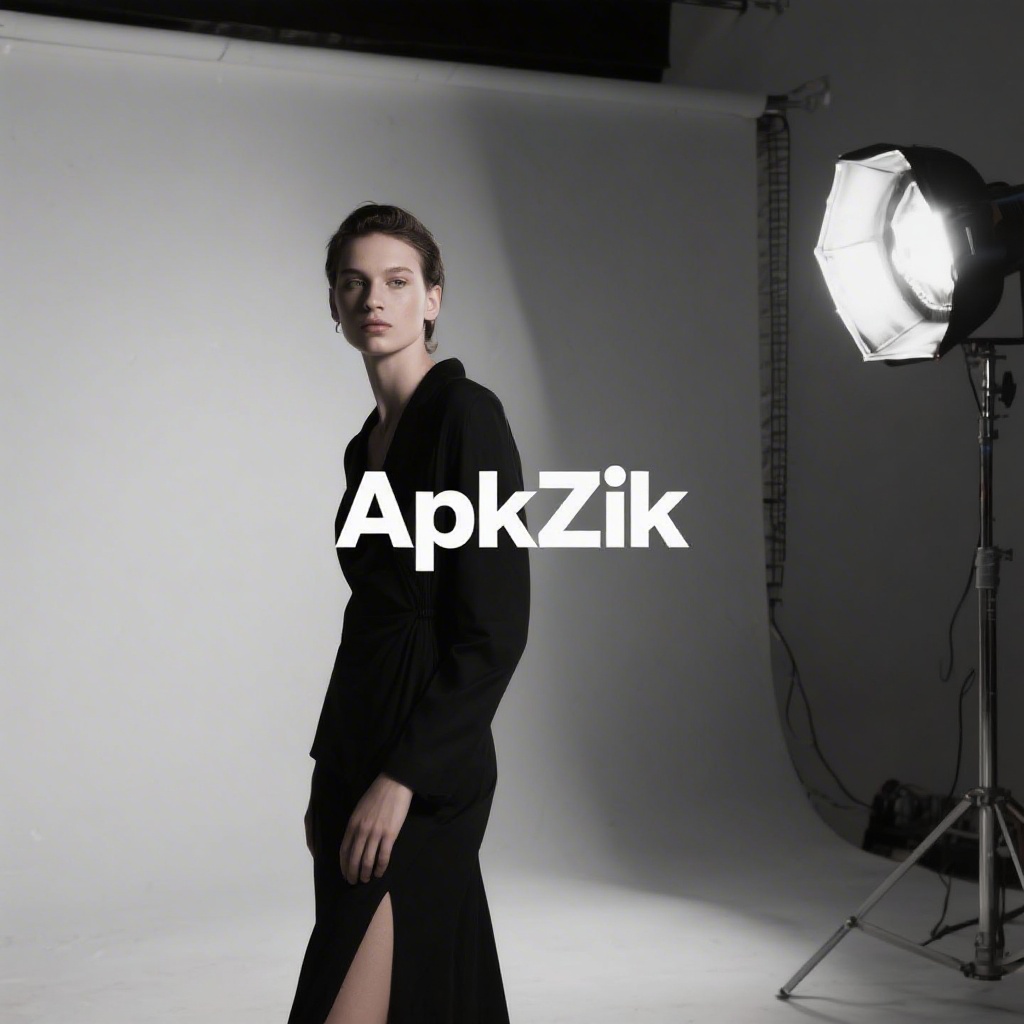
Fashion Photography Lighting Basics
Lighting is the heart of fashion photography. The right light can transform an ordinary photo into a striking, magazine-worthy image. For beginners, it can feel overwhelming—softboxes, reflectors, diffusers, and flashes all seem technical—but understanding the basics can instantly improve your shots. Whether you’re photographing in a studio, at home, or outdoors, mastering lighting makes your…
Lighting is the heart of fashion photography. The right light can transform an ordinary photo into a striking, magazine-worthy image. For beginners, it can feel overwhelming—softboxes, reflectors, diffusers, and flashes all seem technical—but understanding the basics can instantly improve your shots. Whether you’re photographing in a studio, at home, or outdoors, mastering lighting makes your fashion images look professional, polished, and visually compelling. This guide will walk you through practical, beginner-friendly lighting techniques, common mistakes to avoid, and tips to make every outfit shine.
Why Lighting Matters in Fashion Photography
Fashion photography is not just about clothing—it’s about mood, texture, and personality. Lighting plays a pivotal role in:
-
Highlighting textures: Fabrics, accessories, and layers appear richer under the right light.
-
Creating mood and drama: Shadows, soft glow, or bright highlights can change the feel of the image entirely.
-
Directing attention: Lighting guides the viewer’s eye to important details, like a dress design or a statement accessory.
Even a simple outfit can look luxurious and editorial with well-planned lighting. For beginners, the key is understanding how to control and shape light rather than relying on expensive gear.
Types of Lighting Every Beginner Should Know
Before diving into setups, it’s essential to understand the common types of lighting used in fashion photography.
Natural Light
Natural light is versatile, flattering, and beginner-friendly. It comes in different forms:
-
Soft daylight: Cloudy days diffuse sunlight naturally, reducing harsh shadows.
-
Golden hour: Early morning or late afternoon sunlight adds warmth and softness.
-
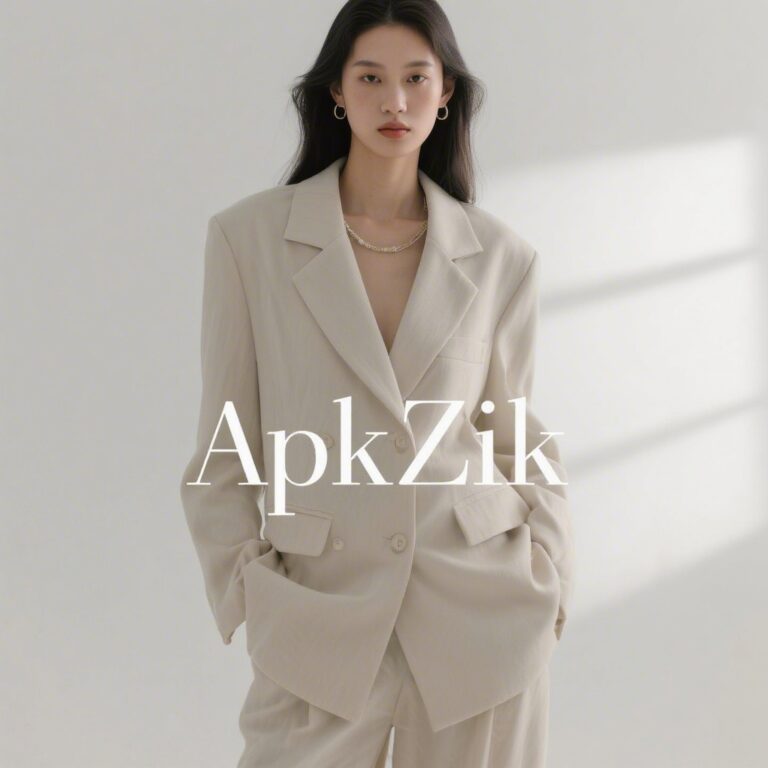
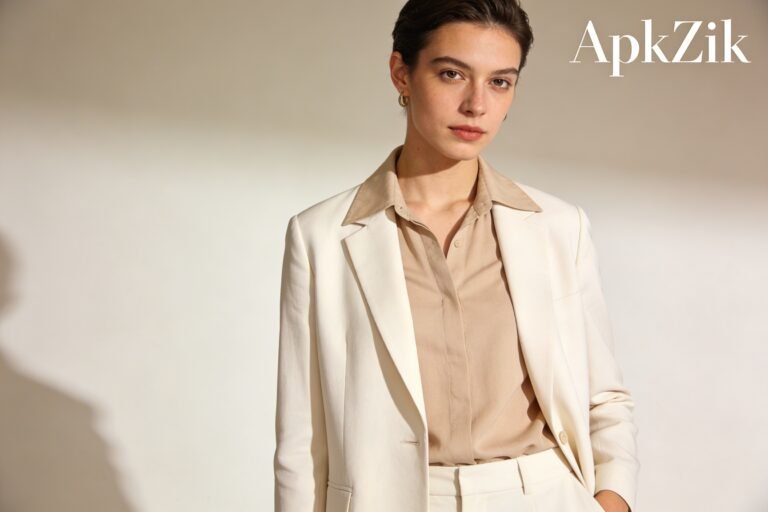
Window light: Positioning your subject near a window can create a clean, elegant glow.
Tip: Use sheer curtains to diffuse harsh sunlight indoors. This prevents overexposure and softens shadows, giving a professional feel.
Artificial Light
Artificial lighting gives you complete control, ideal for studio setups or consistent results. Common types include:
-
Continuous lights: Easy to work with, allow you to see the lighting effect in real time.
-
Flash/strobe lights: Powerful and versatile, perfect for freezing motion or creating dramatic looks.
-
Ring lights: Great for close-up fashion shots, highlighting facial features evenly.
Why it works: Artificial lights allow precise shaping of shadows and highlights, giving your images a polished, editorial appearance.
Mixed Lighting
Combining natural and artificial light can produce dynamic and layered results. For example, using a soft window light as the key source while adding a small fill light can create depth without harsh shadows.
Key Lighting Setups in Fashion Photography
Different setups create different moods and effects. Beginners can start simple and gradually experiment.
The Three-Point Lighting Setup
A classic technique used in professional photography:
-
Key light: The main light illuminating the subject.
-
Fill light: Reduces shadows caused by the key light.
-
Backlight/hair light: Separates the subject from the background.
Tip: Adjust the intensity of each light to suit the outfit and mood. Softer fill lights make the image dreamy, while stronger contrasts create a bold, high-fashion look.
Soft vs. Hard Lighting
-
Soft lighting: Diffused light creates smooth shadows, perfect for delicate fabrics and flattering portraits.
-
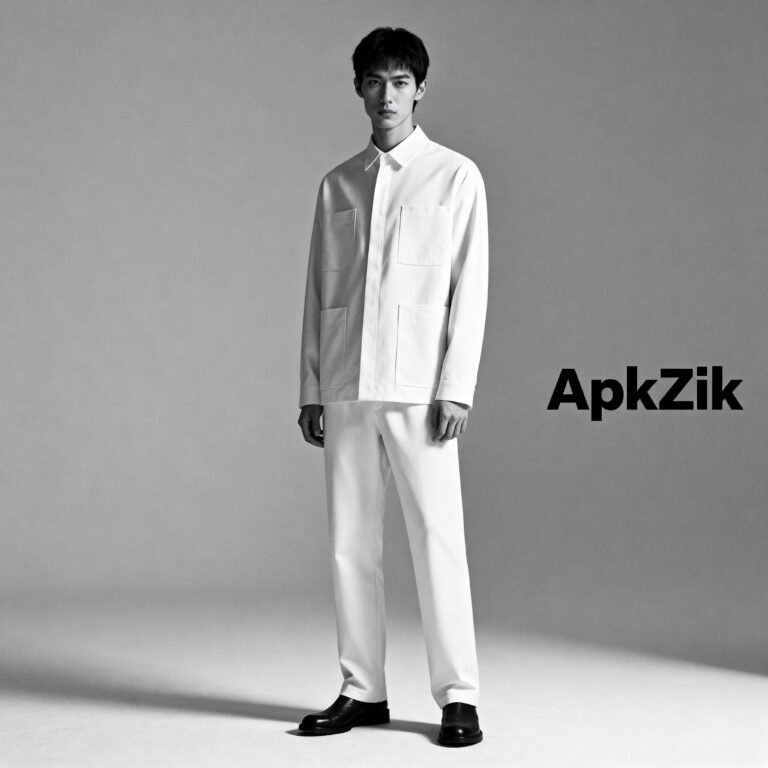
Hard lighting: Direct light produces sharp shadows, highlighting structure and texture—ideal for edgy fashion looks.
Example: A satin blouse under soft light will glow subtly, while the same blouse under hard light will show every fold and crease dramatically.
Backlighting for Drama
Placing light behind your subject adds a glow around the edges, emphasizing silhouette and movement. It works beautifully with flowy dresses or hair movement, creating an editorial, ethereal effect.
Practical Tips for Beginners
Even with minimal equipment, you can achieve stunning results by following simple principles.
Use Reflectors Wisely
Reflectors bounce light onto the subject, filling shadows naturally. They’re budget-friendly and highly effective.
-
Silver reflectors: Increase contrast and highlights.
-
White reflectors: Produce soft, natural fill.
-
Gold reflectors: Add warmth to skin tones and outfits.
Tip: Even a white poster board can act as a reflector for budget setups.
Mind the Shadows
Shadows can either add drama or ruin an image. Avoid placing your subject too close to walls if harsh shadows are not desired. Conversely, creative use of shadows can add depth and style.
Common mistake: Flat, shadowless lighting can make fashion photos look dull. Always consider light angles and direction.
Experiment With Angles
Moving your lights or the camera slightly can completely change the feel of a photo. Try:
-
Shooting slightly from above for a flattering effect
-
Positioning lights at 45-degree angles for soft shadows
-
Using side lighting to accentuate textures
Why it matters: Fashion is about showcasing clothes and accessories, and lighting angles define how those details are perceived.
Budget-Friendly Lighting Solutions
Professional lighting doesn’t have to break the bank. Beginners can achieve premium results with affordable tools:
-
Desk lamps with daylight bulbs: Position strategically for soft light.
-
DIY diffusers: White bedsheets or shower curtains soften harsh light.
-
Inexpensive reflectors: Collapsible versions are portable and effective.
-
Smartphone or camera flashes: Can be modified with tissue paper or white paper to diffuse light.
Even low-cost solutions can produce clean, high-quality images with careful setup.
Common Mistakes to Avoid
Avoiding beginner mistakes ensures your photos always look polished:
-
Ignoring background: A cluttered or poorly lit background distracts from the outfit.
-
Overexposing highlights: Too much light washes out colors and textures.
-
Flat lighting: Lack of depth makes images appear lifeless.
-
Wrong color temperature: Mixed light sources without correction can create unnatural skin tones.
Correcting these mistakes early saves time and elevates the professionalism of your photos.
Modern Trends in Fashion Photography Lighting
Contemporary fashion photography often blends classic setups with creative experiments:
-
Colored gels: Add a pop of color or mood to simple backgrounds.
-
Natural-light studio hybrids: Soft daylight combined with subtle artificial fill.
-
Low-key lighting: Minimal light for dramatic, cinematic shots.
-
Movement and light: Experimenting with slow shutter speeds to blur motion while highlighting light trails.
Keeping up with these trends while mastering fundamentals ensures your photos feel modern yet timeless.
Conclusion
Mastering fashion photography lighting is the key to creating visually striking, professional-looking images. By understanding natural and artificial light, experimenting with setups, and paying attention to angles, shadows, and textures, even beginners can produce high-end results. Reflectors, diffusers, and budget-friendly solutions can enhance any setup, while careful styling and attention to detail make your photos editorial-ready.
Lighting is not just a technical aspect—it’s an artistic tool. With practice, creativity, and thoughtful experimentation, you can make every outfit, fabric, and accessory pop in your fashion photos. Start small, observe how light interacts with subjects, and gradually refine your techniques. The right lighting transforms your images from ordinary snapshots into captivating fashion statements.
FAQs
1. Can I do professional-looking fashion photography at home?
Absolutely! With natural light, reflectors, and careful setup, home photography can look polished and editorial.
2. How do I make soft natural light work indoors?
Place your subject near a window with sheer curtains to diffuse sunlight, and use a reflector to fill shadows.
3. What’s the easiest lighting setup for beginners?
Start with a key light and a reflector. Gradually add fill or backlights as you gain confidence.
4. How do I avoid harsh shadows in fashion photography?
Diffuse light with softboxes, curtains, or tissue paper, and experiment with light angles to reduce unwanted shadows.
5. Can colored lights be used in fashion photography?
Yes! Colored gels or RGB lights can create mood, highlight details, or add a modern, creative touch to your shots.