Nature as a Canvas for Art Photography
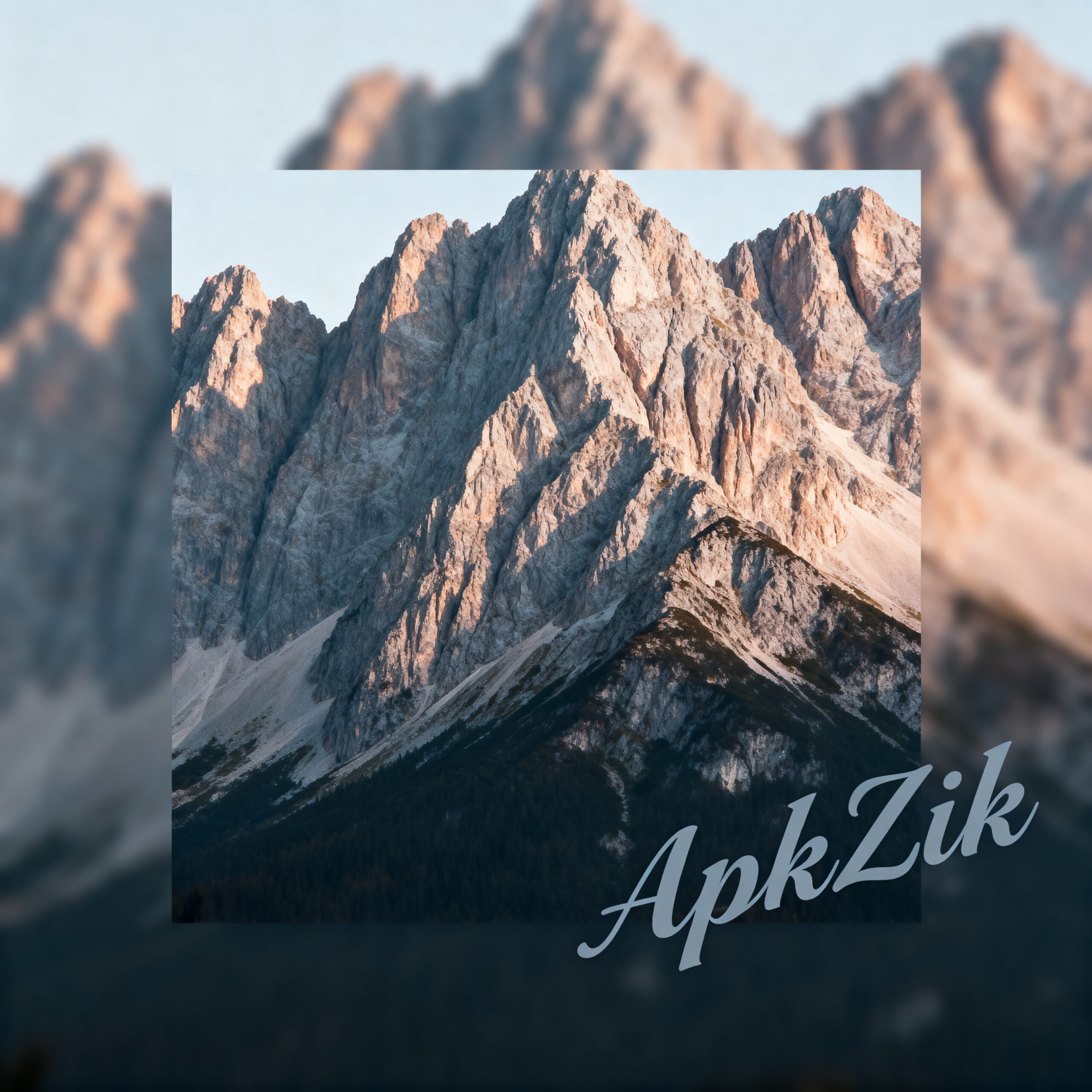
Nature has always been one of the greatest artists. From the soft curve of a leaf to the dramatic contrast of mountains against the sky, the natural world offers endless inspiration. Today, Nature as a Canvas for Art Photography is more relevant than ever—especially in a time when people crave calm, authenticity, and visual storytelling…
Nature has always been one of the greatest artists. From the soft curve of a leaf to the dramatic contrast of mountains against the sky, the natural world offers endless inspiration. Today, Nature as a Canvas for Art Photography is more relevant than ever—especially in a time when people crave calm, authenticity, and visual storytelling that feels real.
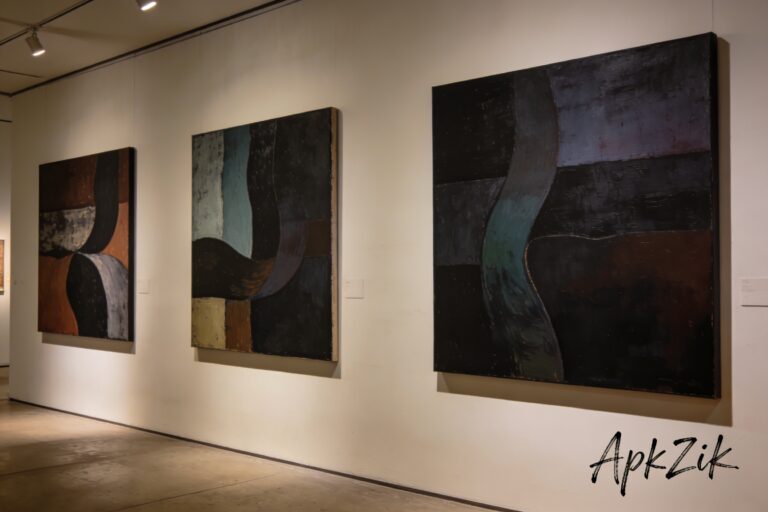
In modern homes and urban lifestyles, nature-inspired photography is not just about pretty pictures. It’s about mood, balance, and creating a visual pause in our busy lives. Whether you’re a beginner photographer, a homeowner decorating walls, or simply someone who loves visual arts, learning to see nature as a canvas can transform how you capture and display images.
Why Nature Works So Powerfully in Art Photography
Nature connects instantly with people. It feels familiar, emotional, and timeless.
Unlike studio setups, nature offers:
-
Natural textures and organic patterns
-
Ever-changing light and colors
-
Imperfect beauty that feels human
This is why nature-based art photography works so well in living rooms, bedrooms, hallways, and even workspaces. It doesn’t overwhelm. It grounds.
When used thoughtfully, Nature as a Canvas for Art Photography allows photographers and viewers to slow down and notice details they usually overlook.
Seeing Nature as a Canvas, Not Just a Subject
Shift Your Perspective
Many beginners photograph nature by simply pointing the camera at something “beautiful.” Art photography goes deeper.
Instead of asking “What am I photographing?”, ask:
-
What emotion does this scene create?
-
How do shapes, lines, and colors interact?
-
What story does this moment tell?
A cracked desert floor, for example, can become a powerful abstract pattern. A foggy forest can feel mysterious and soft, rather than just green trees.
Think Like a Painter
Painters use blank canvases to build layers. Nature already has those layers—you just need to frame them.
Look for:
-
Foreground, middle ground, background
-
Natural frames like branches or windows of light
-
Balance between empty space and detail
This mindset instantly elevates your photography from casual to artistic.
Light: Nature’s Most Important Brush
Use Natural Light Intentionally
Light defines mood more than any camera setting.
Some of the best times for nature photography include:
-
Early morning: soft, gentle tones
-
Golden hour: warm, cinematic glow
-
Overcast days: even lighting, perfect for details
Harsh midday light often flattens images and creates hard shadows. Beginners often make the mistake of shooting only when it’s convenient, not when the light is right.
Why This Matters for Wall Art
Soft light translates better indoors. When printed and framed, images taken in gentle light feel calmer and more elegant on walls.
Composition Tips That Make Nature Feel Like Art
Keep It Simple
One common mistake is trying to include too much.
Strong art photography often focuses on:
-
One main subject
-
Clean backgrounds
-
Clear visual direction
A single leaf against a neutral sky can be more striking than an entire forest scene.
Use Natural Lines and Patterns
Nature is full of design elements:
-
Repeating waves on water
-
Tree trunks forming vertical lines
-
Paths leading the eye inward
These elements guide the viewer naturally, making the photo feel intentional and refined.
Color, Texture, and Mood in Nature Photography
Let Colors Speak Naturally
You don’t need heavy editing to make nature photos pop.
Instead:
-
Look for natural color harmony
-
Use seasonal palettes (earthy fall tones, fresh spring greens)
-
Allow muted colors to create calm
Homes today favor soft, natural tones. This makes nature-based art photography ideal for modern interiors.
Texture Adds Depth
Close-ups of bark, stone, sand, or leaves bring tactile beauty to photographs.
These textures:
-
Work well in minimalist spaces
-
Add warmth without clutter
-
Feel timeless rather than trendy
Beginner-Friendly Photography Ideas Using Nature
You don’t need expensive gear or exotic locations.
Try these simple ideas:
-
Photograph shadows of plants on walls
-
Capture rain on windows with greenery outside
-
Focus on one color in nature (all green, all blue)
-
Shoot from unusual angles—low or overhead
Urban environments often hide nature in small details. A single plant on a balcony can become a strong art piece when framed thoughtfully.
Budget-Friendly Tips for Creating Nature Art at Home
Nature photography doesn’t have to be costly.
Affordable Ways to Display Your Work
-
Print on matte paper instead of glossy
-
Use simple wooden or black frames
-
Create a small gallery wall instead of one large print
You can even rotate prints seasonally to refresh your space without buying new décor.
Why This Works
Nature-based art adapts easily. The same photo can feel cozy in winter and refreshing in summer, depending on how it’s styled.
Common Mistakes and How to Avoid Them
Over-Editing the Image
Heavy filters often remove the natural feel.
Instead:
-
Adjust brightness and contrast lightly
-
Keep colors close to real life
-
Preserve shadows and highlights
Ignoring the Final Display
Many photographers forget to think about where the image will live.
Before shooting, consider:
-
Wall size
-
Room color palette
-
Mood of the space
Art photography works best when the image and environment support each other.
Modern Trends in Nature Art Photography (That Will Last)
Trends come and go, but some ideas remain timeless.
Current styles that still feel classic:
-
Minimalist landscapes
-
Abstract nature details
-
Soft, muted tones
-
Calm, empty spaces
These styles fit beautifully into modern apartments, family homes, and creative studios alike.
Why Nature Photography Feels So Right in Urban Living
In cities, people crave a visual connection to the outdoors.
Nature-inspired art:
-
Reduces visual stress
-
Adds warmth to clean interiors
-
Creates emotional balance
This is why Nature as a Canvas for Art Photography is not just an artistic choice—it’s a lifestyle one.
Conclusion: Let Nature Tell the Story
Nature doesn’t need to be staged or perfected. Its power lies in authenticity.
By seeing nature as a canvas rather than a background, you unlock endless creative possibilities. You learn to notice light, texture, emotion, and balance. You create art that feels calm, personal, and timeless.
Whether you’re capturing photos for your walls or simply learning to see the world differently, nature is always ready to collaborate. Step outside, slow down, and let the landscape guide your creativity.
FAQs
Q1: Do I need a professional camera for nature art photography?
No. A smartphone with good natural light and thoughtful composition can produce beautiful results.
Q2: What kind of nature photos work best for home décor?
Soft landscapes, abstract textures, and minimal scenes work well in most interiors.
Q3: How many nature photos should I display in one room?
Start with one or three. Too many can feel busy. Balance is key.
Q4: Can urban nature really work as art?
Absolutely. Small details like plants, shadows, and sky reflections often feel more modern and personal.