
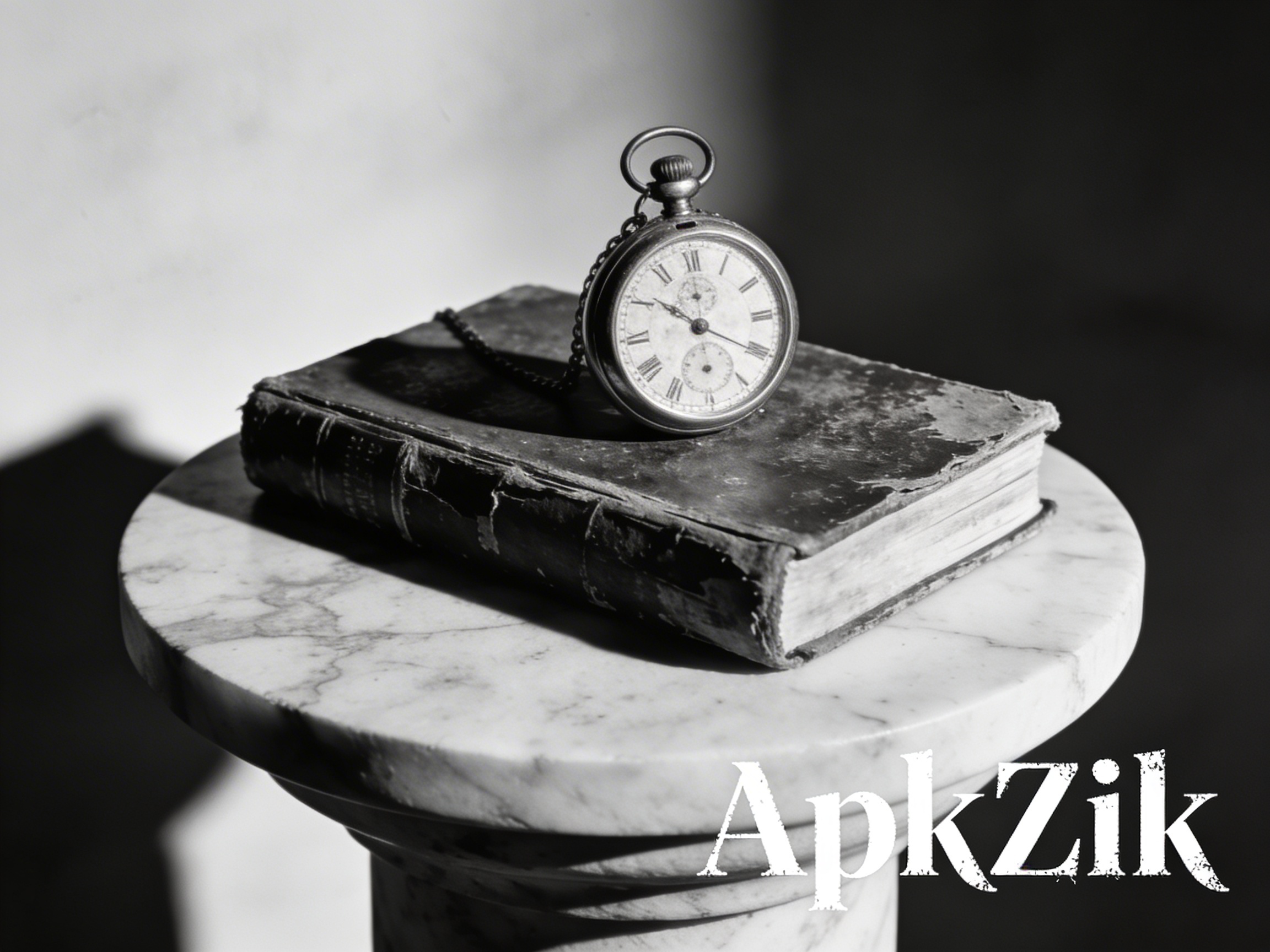
Black and White Art Photography Secrets
Black and white art photography has a quiet power that never goes out of style. In a world filled with color, filters, and fast visuals, monochrome images feel calm, intentional, and deeply expressive. They strip a scene down to its essentials—light, shadow, texture, and emotion. For homeowners, renters, and lifestyle lovers, black and white art…
Black and white art photography has a quiet power that never goes out of style. In a world filled with color, filters, and fast visuals, monochrome images feel calm, intentional, and deeply expressive. They strip a scene down to its essentials—light, shadow, texture, and emotion.
For homeowners, renters, and lifestyle lovers, black and white art photography is more than just wall décor. It’s a design tool that adds depth, balance, and personality to modern living spaces. Whether you live in a small apartment or a family home, understanding the secrets behind great black and white photography can completely change how you decorate and experience your space.
This guide breaks everything down in a simple, practical way—no technical jargon, no design pressure. Just real tips you can use.
Why Black and White Art Photography Still Matters Today
Color trends come and go. Black and white never does.
In modern interiors, black and white art photography works because it blends effortlessly with almost any style—minimal, urban, classic, or even bohemian. It doesn’t fight with furniture colors or wall paint. Instead, it quietly enhances the room.
More importantly, black and white images invite the viewer to feel rather than just look.
They highlight:
-
Emotions on a face
-
Architectural lines
-
Natural textures like wood, stone, or fabric
-
Moments that feel timeless
That’s why designers and homeowners keep coming back to monochrome art, especially in living rooms, hallways, and bedrooms.
The Real Secret: It’s All About Light and Shadow
Understanding Contrast in Black and White Art Photography
One of the biggest secrets behind powerful black and white art photography is contrast. Without color, light and shadow do all the storytelling.
High-contrast images feel bold and dramatic.
Low-contrast images feel soft and calming.
When choosing art for your home:
-
High contrast works well in modern or industrial spaces
-
Soft contrast suits cozy bedrooms and reading corners
Look at how light hits the subject. Strong shadows create mood. Gentle light creates peace.
Why this matters:
Contrast controls the emotional energy of a room.
Texture Makes Black and White Art Come Alive
Why Texture Replaces Color
In color photography, color grabs attention first. In black and white, texture takes the lead.
Great black and white art photography often features:
-
Wrinkled fabric
-
Old walls or brick
-
Tree bark or leaves
-
Skin details and expressions
These textures add richness and keep the image from feeling flat.
Home décor tip:
Textured images look stunning when paired with simple frames and neutral walls. They add interest without clutter.
Choosing the Right Subject for Your Space
What Works Best in Black and White
Not every photo looks good without color. Strong subjects are key.
Some of the best subjects for black and white art photography include:
-
Architecture and city views
-
Portraits and candid moments
-
Nature scenes with strong shapes
-
Everyday objects photographed creatively
Urban scenes are especially popular right now. A city street, staircase, or skyline in black and white feels modern and artistic.
Why it works:
Simple subjects allow light and composition to shine.
How to Style Black and White Art Photography at Home
Placement Matters More Than You Think
Where you place your artwork changes how it’s experienced.
Best spots include:
-
Above a sofa or bed
-
Along staircases
-
In hallways and entryways
-
Home offices and creative corners
Hang art at eye level for the most natural feel. For gallery walls, mix sizes but keep spacing consistent.
Frames: Keep It Simple
Let the artwork speak.
-
Black frames = bold and modern
-
White frames = clean and airy
-
Natural wood frames = warm and inviting
Avoid overly decorative frames—they distract from the image.
Budget-Friendly Black and White Art Ideas
You don’t need expensive galleries to enjoy beautiful black and white art photography.
Here are smart, affordable options:
-
Print your own photos in black and white
-
Use high-quality printable art from independent creators
-
Frame magazine-style photography pages
-
Create a rotating wall using simple clip frames
Pro tip:
Matting (the white border inside the frame) instantly makes any print look more premium.
Common Mistakes (And How to Avoid Them)
1. Choosing Flat, Low-Quality Prints
Blurry or pixelated images lose impact. Always choose high-resolution prints.
2. Ignoring Room Lighting
Dark images in dim rooms disappear. Balance artwork with proper lighting.
3. Overcrowding Walls
Too many pieces close together can feel chaotic. Give each image space to breathe.
4. Matching Everything Too Perfectly
A little contrast between art and furniture keeps the room interesting.
Modern Trends in Black and White Art Photography
Timeless Doesn’t Mean Boring
Today’s trends focus on:
-
Minimalist compositions
-
Human-centered photography
-
Urban life and everyday moments
-
Large-scale statement prints
Oversized black and white photographs are especially popular in open-plan living areas. They act as focal points without overwhelming the space.
Why this trend lasts:
It blends modern taste with emotional depth.
Using Black and White Art to Set the Mood
Black and white art photography can influence how a room feels.
-
Calm and peaceful: Soft landscapes, gentle light
-
Bold and creative: High-contrast urban shots
-
Personal and emotional: Portraits and candid moments
Think about how you want to feel in the space before choosing art.
Mixing Black and White Art with Color Interiors
Yes, it works beautifully.
Black and white art balances colorful rooms by grounding the space. In neutral rooms, it adds depth and interest.
If your room has bold colors:
-
Choose simple black and white images
-
Avoid busy compositions
If your room is neutral:
-
Try dramatic or textured photography
Why Black and White Art Photography Feels So Personal
Without color telling you how to feel, your mind fills in the gaps. That’s what makes black and white art photography so powerful—it invites interpretation.
Two people can look at the same image and feel completely different emotions. That personal connection is what turns decoration into meaningful design.
Final Thoughts: Bringing It All Together
Black and white art photography isn’t just a design trend—it’s a timeless way to express style, emotion, and personality. By focusing on light, texture, subject, and placement, you can transform simple images into powerful design elements.
Whether you’re decorating your first apartment, refreshing a family home, or just exploring visual arts, monochrome photography offers endless possibilities. Start small, trust your instincts, and choose images that speak to you.
Your walls don’t need more color. Sometimes, they just need more meaning.
Frequently Asked Questions
Q1: Does black and white art photography suit small homes?
Yes. It actually makes small spaces feel cleaner and more open.
Q2: Can I mix black and white art with family photos?
Absolutely. Converting personal photos to black and white creates a cohesive look.
Q3: How many black and white prints should I use in one room?
Quality over quantity. One strong piece or a small gallery wall works best.
Q4: Is black and white art too serious for family spaces?
Not at all. Choose warm, human-centered images for a friendly feel.
Q5: Should all frames match?
Matching frames look polished, but subtle variation can add character.