Street Art Photography That Tells a Story
Street art photography is more than capturing colorful walls or bold graffiti. It’s about freezing moments of urban life that speak, question, and connect. In today’s visual-driven world, this art form has become a powerful way to document culture, emotion, and identity—especially in cities where walls often say what people can’t. For lifestyle readers, homeowners,…
Street art photography is more than capturing colorful walls or bold graffiti. It’s about freezing moments of urban life that speak, question, and connect. In today’s visual-driven world, this art form has become a powerful way to document culture, emotion, and identity—especially in cities where walls often say what people can’t.
For lifestyle readers, homeowners, renters, and creative beginners, street art photography opens a window into modern expression. It blends visual arts with everyday surroundings, making it relatable, inspiring, and surprisingly personal. Whether displayed in a home, shared online, or simply admired, these images carry stories that feel alive.
Why Street Art Photography Matters Today
Cities change fast. Buildings rise, shops close, and murals fade. Street art photography preserves these moments before they disappear. It captures voices from the streets—social messages, local humor, political thoughts, or pure creativity.
In modern urban living, this form of photography also brings raw, authentic energy into otherwise polished spaces. A single photograph can:
-
Add character to minimalist homes
-
Reflect cultural awareness
-
Spark conversation without saying a word
That’s why street art photography that tells a story feels so relevant today. It connects visual arts with real life.
Understanding the Story Behind the Wall
Every Mural Has a Message
Street art isn’t random decoration. Most pieces are created with intent. Some celebrate local culture, others protest injustice, and many reflect personal struggles or hope.
Before taking a photo, pause and observe:
-
What symbols are used?
-
Is there text or a hidden message?
-
How does the surrounding area add context?
The story becomes clearer when you understand why the art exists in that space.
Context Turns Art Into Narrative
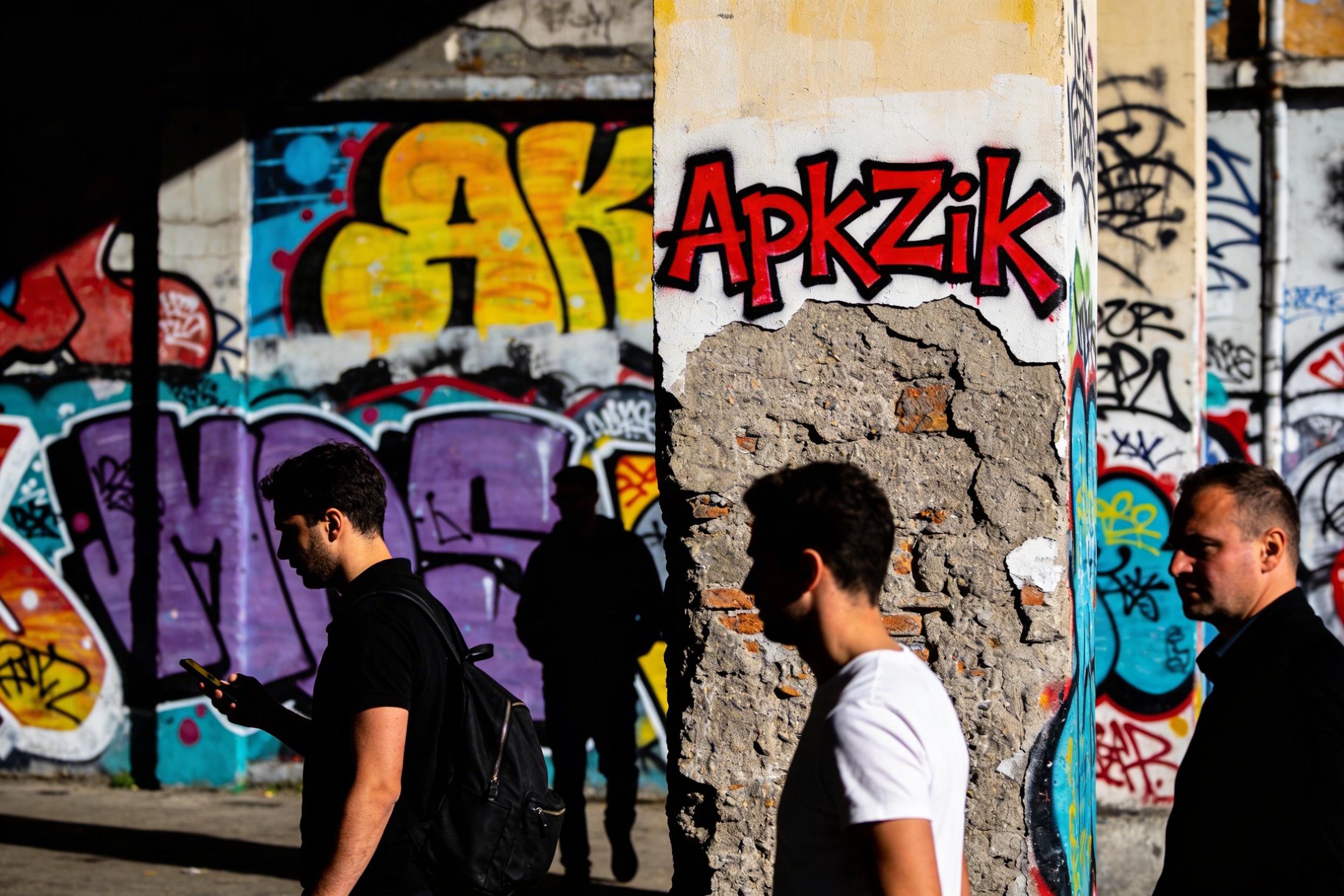
A mural beside a busy road tells a different story than the same artwork in a quiet alley. Including surroundings—people walking by, cracked pavements, old doors—adds layers to the image.
This is where street art photography becomes storytelling, not just documentation.
Street Art Photography That Tells a Story: Composition Tips
Frame With Purpose
Good composition guides the viewer’s eye. Instead of centering everything, try these simple ideas:
-
Capture the art slightly off-center
-
Use doorways, windows, or street lines as natural frames
-
Include shadows or reflections for depth
These choices help the story unfold naturally.
Let People Be Part of the Scene
Including people—even unintentionally—adds life. A child walking past a mural or a cyclist crossing the frame creates contrast between art and reality.
This shows how street art lives with the city, not apart from it.
Lighting: The Mood Maker
Natural Light Works Best
Early morning and late afternoon light is softer and warmer. It highlights textures without harsh shadows.
Why this matters:
-
Soft light keeps colors natural
-
Shadows add emotion, not distraction
-
Details stay clear for storytelling
Avoid midday sun if possible—it flattens the image and removes mood.
Embrace Imperfection
Sometimes uneven lighting or partial shadows actually enhance the story. Cracks, fading paint, or peeling walls show time passing. Don’t rush to “fix” these moments.
They’re part of the narrative.
Budget-Friendly Tips for Beginners
You don’t need expensive gear to start street art photography.
Start With What You Have
A smartphone is enough if used thoughtfully:
-
Clean the lens
-
Tap to focus manually
-
Avoid digital zoom
Focus on angles, timing, and emotion instead of equipment.
Walk, Observe, Return
Street art doesn’t move. You can revisit locations:
-
Try different times of day
-
Wait for interesting street activity
-
Watch how light changes the mood
This patience costs nothing but improves results greatly.
Common Mistakes and How to Avoid Them
Shooting Without Understanding
Taking quick photos without reading the art often leads to empty images. Spend a minute understanding the message before clicking.
Over-Editing
Heavy filters can kill authenticity. Street art photography that tells a story should feel real, not overly polished.
Stick to:
-
Slight contrast adjustment
-
Gentle color correction
-
Natural tones
Ignoring the Background
Trash bins, parked cars, or signboards can distract from the story. A small step left or right often fixes this.
Bringing Street Art Photography Into Home Décor
Why It Works in Modern Homes
Street art photography adds edge and personality. It works especially well in:
-
Living rooms with neutral walls
-
Home offices for creative energy
-
Hallways as visual storytelling zones
The contrast between raw street visuals and clean interiors creates balance.
Display Ideas for Any Budget
-
Simple black frames for a gallery look
-
Large single prints as statement pieces
-
Rotating small prints for variety
Printed photos feel more personal than mass-produced wall art.
Modern Trends That Still Feel Timeless
Story-Focused Over Style-Focused
Current trends favor meaning over aesthetics. Photos that raise questions or emotions last longer than purely “pretty” shots.
Local Over Global
Photographing art from your own city adds authenticity. Local stories resonate more deeply, especially in personal spaces.
This makes your collection unique and personal.
Why Storytelling Makes Street Art Photography Powerful
A good story stays with you. When photography captures not just art, but emotion, history, and place, it becomes memorable.
Street art photography that tells a story:
-
Preserves culture
-
Encourages empathy
-
Inspires creative thinking
It turns walls into voices and streets into open galleries.
Conclusion: Let the Streets Speak
Street art photography is not about perfection. It’s about connection. By slowing down, observing details, and respecting the message behind the art, anyone can capture images that truly speak.
Whether you’re a beginner with a phone or a lifestyle enthusiast decorating your home, this art form offers endless inspiration. Start small. Walk your neighborhood. Look at walls differently.
Let the streets tell their stories—and help them be seen.
FAQs
Q1: Do I need permission to photograph street art?
In public spaces, photography is generally allowed. Be respectful and avoid private property restrictions.
Q2: Can street art photography work in small homes?
Yes. Even a single framed photo can add depth and character to compact spaces.
Q3: Is color or black-and-white better?
Both work. Color highlights energy, while black-and-white emphasizes emotion and texture.
Q4: How do I choose which photos to display?
Pick images that make you feel something. Emotional connection matters more than trends.
Q5: Can beginners really tell stories through photos?
Absolutely. Storytelling comes from observation, not experience level.